
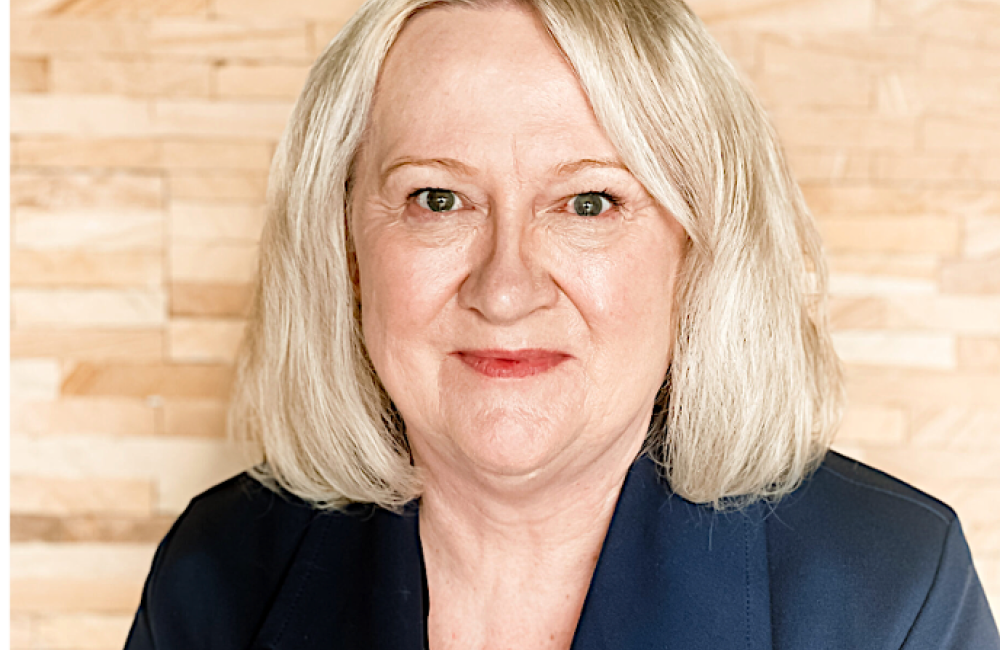
Professor Zee Upton is an internationally recognised research leader and innovation strategist whose career spans more than four decades across Australia and Singapore. A biochemist by training, she most recently served as Deputy Vice-Chancellor (Research & Innovation) at the University of Newcastle (UON). She has an extensive research record in skin, wounds, and tissue repair, working across multiple disciplinary boundaries.
Prior to joining UON, Professor Upton spent six years in Singapore, where she was Executive Director of the Skin Research Institute of Singapore (SRIS) and Executive Director of the A*STAR Institute of Medical Biology. In these roles, she facilitated extensive collaborations with industry, including through the Wound Care Innovation for the Tropics Industry Alignment Programme, which she established and led. Earlier in her career, she spent 15 years at the Queensland University of Technology, where she held senior leadership roles, established the Wound Management Innovation CRC, and founded a start‑up that ultimately listed on the Australian Stock Exchange to advance a wound‑healing technology she discovered.
Growing up in a small country town in rural South Australia—and being the first in her family to attend university—has profoundly shaped her values and belief in the transformative power of education, opportunity, and inclusive research cultures. This background continues to guide her commitment to supporting others, particularly those who may not have traditionally seen themselves represented in science or leadership.
Throughout her career, Professor Upton has focused on building high-performing, collaborative teams grounded in trust, purpose, and cross-disciplinary thinking. Mentoring sits at the centre of her professional identity. She has supervised 35 PhD, six Masters, and 34 Honours students, and has mentored more than 40 postdoctoral and mid‑career researchers. Many have gone on to influential roles in universities, research institutes, hospitals, government agencies, and global companies. Their achievements—award‑winning theses, international fellowships, leadership positions, and successful careers across academic, clinical, commercial, and policy settings—remain the most meaningful reflection of her impact.
Beyond her own laboratory, Professor Upton has championed institution‑wide strategies to strengthen research culture and capability. She has led the development of researcher‑development frameworks, introduced clearer pathways for early‑ and mid‑career researchers, implemented evidence‑based performance expectations, and supported women in STEM through governance roles, programs, and sponsorship. She strives to create psychologically safe environments in which people feel valued, heard, and empowered to grow.
Professor Upton has also contributed significantly to the broader innovation ecosystem, delivering more than 60 invited national and international presentations, including masterclasses and panel contributions on research translation, innovation leadership, entrepreneurship, and career development. These engagements often serve as informal mentoring opportunities for emerging leaders.
In her current advisory, governance, and ecosystem‑building roles, she remains committed to enabling innovation‑led impact and supporting the next generation of research and industry leaders. Her legacy is defined not only by her scientific and executive achievements but also by the many people and teams she has had the privilege to mentor and champion.